The Role of Funny T-Shirts in Pop Culture


From locker rooms and late-night shows to music festivals and meme pages, funny T-shirts have become a universal language of wit and identity. These wearable punchlines punch above their cotton weight: they amplify trends, spread jokes at the speed of sight, and archive moments in pop culture faster than any press release. Far from being mere novelty items, funny T-shirts shape how we express ourselves, build community, and even critique the world around us.
A Short History of the Funny Tee
The journey of the funny T-shirt runs in parallel with the rise of mass media. Graphic tees took off in the mid-20th century as screen-printing became affordable, but it wasn’t until the 1970s and 1980s that humor truly hit the fabric. Slogans, parody logos, and satirical graphics turned basic tops into cultural billboards. The 1990s supercharged the trend with MTV-era irony, skate culture graphics, and the early internet’s chaotic humor, while the 2000s saw viral tees spread through e-commerce platforms. Today, social media turbocharges the cycle—an image posted in the morning can become a ubiquitous tee by nightfall.
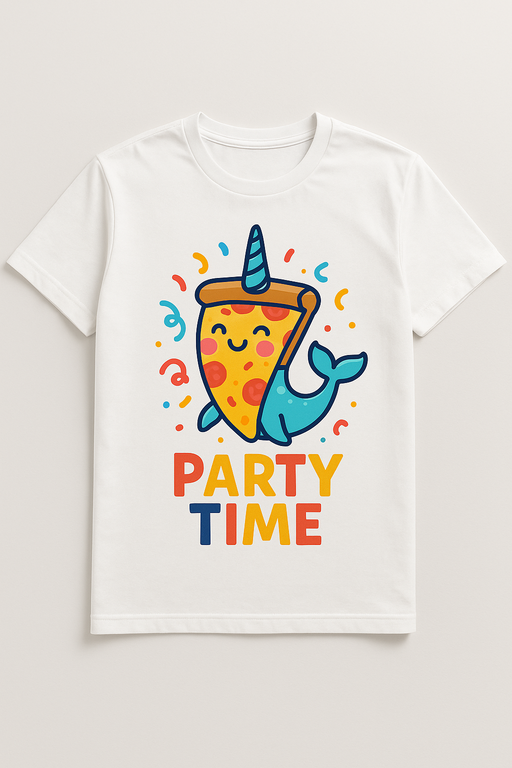
As pop culture diversified—from cable TV and blockbuster movies to streaming and micro-influencers—funny T-shirts became the connective tissue linking these worlds. A film quote, a meme format, or a celebrity moment can all become instantly wearable. In effect, the graphic tee evolved into a portable meme engine, both reflecting and steering the zeitgeist.
Why We Love Funny T-Shirts: Identity, Humor, and Relatability
Humor works as social glue. Wearing a funny T-shirt is a low-stakes, high-reward way to signal taste, moods, and affiliations. You might broadcast your love of a sitcom’s catchphrase, wink at fellow gamers, or subvert a brand logo with a clever twist. In all cases, the tee turns a passerby into a potential co-fan. That micro-connection—an exchange of smiles, a shared reference—feeds the appeal of funny T-shirts.
On a deeper level, funny tees help us negotiate identity. They’re adaptable: ironic for some, earnest for others, and occasionally both. The same design can read as nostalgia to one person and satire to another. That interpretive flexibility is precisely what makes them so sticky in pop culture: they invite multiple readings, extending their relevance beyond a single trend cycle.
Memes, Movies, and Music: The Feedback Loop
Pop culture doesn’t just inspire funny T-shirts; funny T-shirts also feed back into pop culture. A tee that riffs on a viral meme can amplify that meme’s reach beyond the screen. Conversely, when a movie, stand-up special, or track features a striking graphic tee, fans turn it into a collectible, cementing the moment in physical form. Artists and brands know this, which is why collaborators increasingly design limited-run humorous graphics around releases or tour dates.
Consider meme culture’s emphasis on remixing. Funny T-shirts are remix-friendly by design. They quote, parody, and mash up icons from different eras—retro arcade controllers with modern emojis, classic film clappers with streaming-era references. This creative collage approach mirrors how we consume media: a constant flow of callbacks, Easter eggs, and shared references, distilled into a single, punchy visual.
From Streetwear to the Red Carpet: Visibility and Influence
There was a time when slogan tees were confined to casual wear. Now they play on broader stages. Streetwear’s ascent brought graphic tees to the forefront of high fashion, and celebrities regularly step out in T-shirts that carry a message—sometimes comedic, sometimes political, often both. The result is a heightened visibility that amplifies the influence of funny T-shirts. When a comedian, musician, or athlete is photographed in a clever design, it can spawn a wave of fan-made interpretations and licensed collaborations.
Moreover, e-commerce has flattened barriers to entry. Independent artists can design, print-on-demand, and ship globally without ever touching inventory. That democratization keeps the pipeline of humor fresh and hyper-relevant: creators can pivot to new jokes or formats within hours, ensuring funny T-shirts remain at the leading edge of cultural commentary.


Designing a Funny Tee That Sticks
While the best funny T-shirts look effortless, good design follows a few timeless principles. Humor needs clarity; design needs restraint; and timing needs precision. Whether you’re a brand, an artist, or a fan thinking about your next purchase, a little strategy goes a long way.
- Keep the joke instantly readable: Aim for a concept that lands within two seconds of glance.
- Use strong silhouettes and high-contrast colors: Visual punch helps the humor pop.
- Leverage universal symbols: Icons like film clappers, game controllers, or smiley faces transcend language.
- Balance novelty with longevity: Timely memes are fun, but evergreen humor extends shelf life.
- Mind placement and scale: Chest-level focal points and clean spacing improve legibility.
- Test with a small audience: If people smile or share it unprompted, you’ve got a winner.
Great funny T-shirts also honor context. What’s hilarious at a festival may feel out of place in a classroom. Designers often prepare multiple versions—bolder for nightlife, subtler for daytime—to respect settings while preserving the punchline.
Ethics, Authenticity, and the Power of Community
As with any pop culture phenomenon, there are pitfalls. Joke theft and unlicensed parodies can sour the scene, and humor that punches down ages poorly. The most enduring funny T-shirts usually punch up—satirizing institutions, spotlighting absurdities, or celebrating fandoms without exploiting them. Supporting original creators and licensing when appropriate not only keeps the ecosystem fair, it also strengthens the culture around the designs.
Community is the backbone of funny T-shirt culture. Conventions, online forums, and creator marketplaces enable feedback, collaborations, and spin-offs. When fans feel included—through polls, drops, and behind-the-scenes peeks—their enthusiasm becomes free promotion. In this way, funny T-shirts double as community badges: proof you were there when a joke broke big, or that you’ve always been part of a niche tribe.
What’s Next for Funny T-Shirts?
Expect faster cycles and smarter production. AI-assisted illustration tools and on-demand manufacturing will allow creators to test and iterate designs in real time, while augmented reality might add interactive layers to prints. Sustainability is also rising: recycled fabrics, water-based inks, and localized printing lower environmental impact without dulling the humor.
In an era of fleeting attention, funny T-shirts endure because they make culture tangible. They compress a feeling, a reference, or a moment into an everyday object you can wear, gift, or collect. That mix of accessibility and meaning ensures they’ll keep shaping pop culture, one punchline at a time.
Conclusion
Funny T-shirts are more than novelty—they’re cultural conduits. They translate memes into memories, turn fandom into fashion, and give voice to communities in a single, striking glance. As long as we keep laughing, sharing, and remixing, the funny tee will remain a signature thread in pop culture’s ever-evolving tapestry.